A reliable vehicle is the result of consistent care rather than luck. While modern cars are engineered to last longer than ever, every component experiences wear over time. Maintenance that you do on a daily basis can help your car run better, last longer, and cost less to fix. Whether you drive daily or only on weekends, adopting essential maintenance habits ensures your car remains dependable and efficient for years to come.
Stay Consistent With Oil Changes
Engine oil keeps moving parts smooth, lowers friction, and moves heat away from the engine. When oil gets old, it stops working as well and gets dirty with debris. Putting off oil changes can make the engine wear out faster and use more gas.
Following the manufacturer’s recommended oil change intervals keeps the engine operating smoothly while helping prevent costly internal damage. Using the correct oil grade also supports optimal engine performance under different driving conditions.
Monitor Tire Condition Regularly
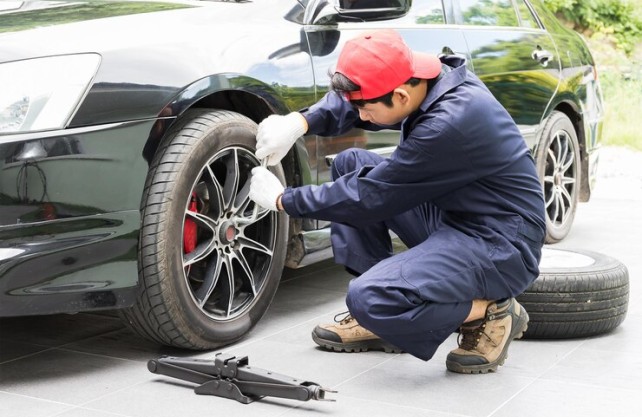
Your tires are the only part of the vehicle that maintains direct contact with the road. Proper tire maintenance improves handling, braking, fuel economy, and overall safety.
Drivers should regularly:
- Check tire pressure
- Inspect tread depth
- Rotate tires at recommended intervals
- Look for uneven wear patterns
- Balance and align wheels when necessary
Tires that are well taken care of not only make the ride smoother, but they also last longer and keep the suspension from wearing out too quickly.
Replace Filters Before They Become a Problem
Several screens keep important parts of the car safe. The engine air filter stops dirt and other impurities from getting into the engine, and the cabin air filter makes the air inside the car cleaner. Also, fuel filters keep harmful particles from getting to parts of the fuel system that are sensitive to them.
Changing these filters as recommended by the maintenance schedule lets the engine breathe well and helps the fuel, heating, and cooling systems work as they should.
Keep the Cooling System Healthy
The cooling system regulates engine temperature and prevents overheating. Coolant gradually loses its protective properties, making periodic coolant replacement an important maintenance task.
Drivers should also inspect hoses, clamps, the radiator, and the water pump for leaks or signs of deterioration. Addressing cooling system issues early helps prevent overheating that could lead to expensive engine repairs.
Pay Attention to Brake Performance
Brakes should always receive immediate attention whenever performance changes. Unusual noises, vibrations, longer stopping distances, or warning lights may indicate worn brake pads, damaged rotors, or hydraulic issues.
Routine brake inspections allow technicians to identify wear before it develops into a larger safety concern. Replacing brake components at the proper time also helps protect other parts of the braking system from unnecessary damage.
Schedule Professional Inspections
Many vehicle problems develop gradually without obvious symptoms. Professional inspections can identify worn belts, leaking seals, failing batteries, suspension issues, or electronic faults before they cause unexpected breakdowns.
Owners of luxury European vehicles especially benefit from visiting a qualified Mercedes Benz repair shop because specialized diagnostic equipment and manufacturer-specific expertise help ensure accurate maintenance and repairs. Experienced technicians understand the unique engineering of these vehicles and can identify issues that general repair facilities may overlook.
Protect the Battery and Electrical System
Modern vehicles rely heavily on electronics that require a healthy battery and charging system. Battery terminals should remain clean and free from corrosion, while battery voltage should be tested periodically, especially before extreme weather seasons.
Replacing a weak battery before it fails helps avoid inconvenient breakdowns and protects sensitive electronic systems.
Follow the Recommended Maintenance Schedule
Every manufacturer provides a maintenance schedule based on mileage and vehicle age. These recommendations include inspections and replacements for fluids, spark plugs, transmission service, drive belts, and numerous other components.
Staying on schedule provides several long-term advantages:
- Improved fuel efficiency
- Greater vehicle reliability
- Lower repair expenses
- Longer component lifespan
- Better resale value
Preventive maintenance consistently costs less than repairing major mechanical failures that result from neglect.
Conclusion
Keeping a vehicle running smoothly requires consistent attention to routine maintenance rather than waiting for warning signs to appear. Regular oil changes, tire care, brake inspections, cooling system maintenance, filter replacements, battery checks, and professional diagnostics all contribute to dependable performance and longer vehicle life. By making preventive maintenance a priority and seeking qualified service when needed, drivers can enjoy safer, more efficient transportation while reducing the likelihood of unexpected and expensive repairs.


